
Machette
Contact usMachette Good Supplier In Bulk Supply High Purity 23184-66-9
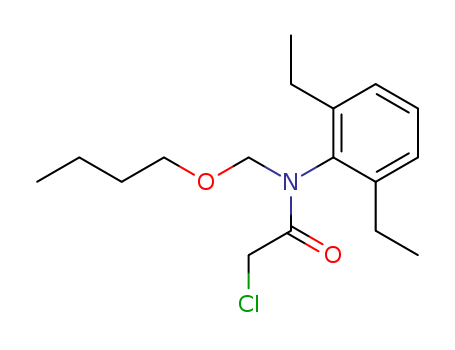
- Molecular Formula:C17H26ClNO2
- Molecular Weight:311.852
- Appearance/Colour:Colourless to Yellow Oil
- Vapor Pressure:0mmHg at 25°C
- Melting Point:<-5 °C
- Refractive Index:1.536
- Boiling Point:442 °C at 760 mmHg
- PKA:1.20±0.50(Predicted)
- Flash Point:221.1 °C
- PSA:29.54000
- Density:1.037 g/cm3
- LogP:4.15740
Machette(Cas 23184-66-9) Usage
|
Mode of action |
The mode of action of butachlor is by inhibiting the elongase responsible for the elongation of very long-chain fatty acids and the geranylgeranyl pyrophosphate cyclization enzymes[4]. It also affects the various other metabolic processes and redox homeostasis adversely, in addition to lipid biosynthesis[5]. |
|
Warning and risk |
Butachlor can cause severe toxicity. Acute toxicity Butachlor causes slight erythema and edema in rabbits when exposed to 24 h continuously[6]. It can also cause primary ocular irritation in 2 of 6 white rabbits tested. It can also cause dermal sensation, moderate-to-severe erythema with edema in guinea pig, where the dermal hypersensitivity was checked in a modified Buehler assay. Human and Animal toxicity Butachlor can cause DNA strand breaks and chromosomal aberrations in mammalian cells exhibited[7]. Butachlor can also trigger necrosis in human PBMN cells due to their oxidative role in intracellular reactive oxygen species[ROS] production, and the consequent mitochondrial dysfunction, oxidative DNA damage and chromosomal breakage[8]. Butachlor has mutagenic effects in primary rat tracheal epithelial cells and in Chinese hamster ovarian cells[9]. It is also known cause stomach tumors in rats[10]. |
|
Hazard |
Moderately toxic. |
|
Trade name |
BUTANEX?; BUTANOX?; CP 53619?; HILTACHLOR?; LAMBAST?; MACHETE?; MACHETTE?; PILLARSET?; RASAYANCHLOR?; WEEDOUT?; VENDAVAL? |
|
Metabolic pathway |
In vitro incubation of butachlor with rat liver fractions forms a considerable amount of glutathione conjugate, while the conjugating activity is not efficient for the kidney S9 fraction. Further biotransformation of the glutathione conjugate to mercapturate is not observed in the liver S9 fraction. Butachlor is initially conjugated with glutathione in the liver and is apparently transported to the kidneys where it is transformed to mercapturic acid. |
|
Overview |
Machette [also known as butachlor] belongs to the chloroacetanilide group herbicides. Butachlor, together with other chloroacetanilide-class herbicides including acetochlor, alachlor, metachlor, and propachlor, are the most consumed chemicals all over the world in agriculture. Butachlor [N-[butoxymethyl]-2-chloro-2’,6’-diethyl acetanilide] is a widely recommended herbicide for application in rice cultivation. It is a systemic selective pre-emergent herbicide applied on rice, tea, wheat, beans and other crops viz. corn, soybean[1]. Butachlor is most commonly used to control a wide range of annual grass and broad leaf weeds[2] as well as submerged macrophytes in freshwater fishponds. Butachlor was developed by Monsanto Co. [USA] in 1968 and commonly used as a post-emergence herbicide in Asia and Africa[3]. It can be manufactured by the reaction of chloroacetyl chloride with the azomethine of 2,6-diethylaniline and formaldehyde, followed by treatment with n-butanol. Butachlor was introduced to Japan in 1973 for weed control in transplanted rice paddies. |
|
Applications |
Butachlor is a chloroacetanilide herbicide, which is used extensively all over the world as pre-emergence control of unwanted weeds. It is used for controlling a wide range of annual grass and broad leaf weeds[2] as well as submerged macrophytes in freshwater fishponds. |
|
Agricultural Uses |
Herbicide: Used for pre-emergence control of annual grasses, sedges and broadleaf weeds in rice crops. Used primarily in Asia, South America, Europe and Africa. Not registered for use in the U.S. Not approved for use in EU countries. |
InChI:InChI=1/C17H25Cl2NO2/c1-4-7-11-22-12-20(17(21)16(18)19)15-13(5-2)9-8-10-14(15)6-3/h8-10,16H,4-7,11-12H2,1-3H3
23184-66-9 Relevant articles
NOXIOUS ARTHROPOD CONTROL AGENT CONTAINING AMIDE COMPOUND
-
, (2017/08/26)
An object of the present invention is to...
N-Alkoxymethylation of Carboxamides Catalyzed by Br?nsted Acids
Ledneczki, István,Agócs, Pál M.,Molnár, árpád
, p. 2255 - 2257 (2007/10/03)
The reaction of carboxamides and dialkox...
Synergistic herbicidal mixtures
-
, (2008/06/13)
PCT No. PCT/EP96/04935 Sec. 371 Date May...
Herbicidal mixtures having a synergistic effect
-
, (2008/06/13)
PCT No. PCT/EP96/03996 Sec. 371 Date Feb...
23184-66-9 Process route
-
-
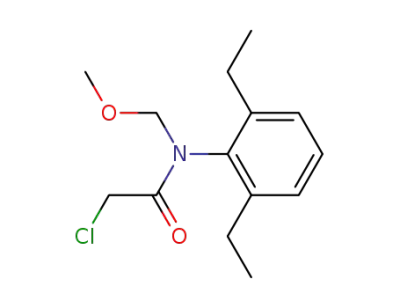
15972-60-8,155773-66-3
Alachlor

-
-
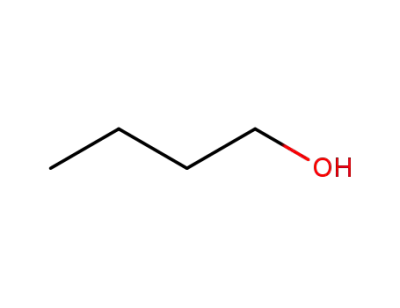
71-36-3
butan-1-ol

-
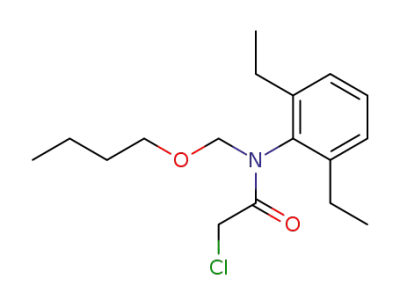
-
23184-66-9
N-butoxymethyl-2-chloro-N-(2,6-diethylphenyl)acetamide
| Conditions | Yield |
|---|---|
|
With
trifluoroborane diethyl ether;
|
83% |
-
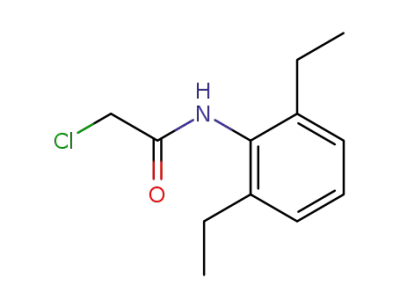
-
6967-29-9
2-chloro-2',6'-diethylacetanilide
-
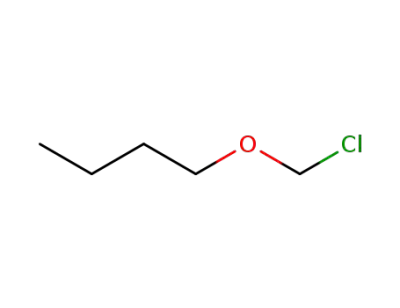
-
2351-69-1
1-(chloromethoxy)butane
-
-
23184-66-9
N-butoxymethyl-2-chloro-N-(2,6-diethylphenyl)acetamide
| Conditions | Yield |
|---|---|
|
With
sodium hydroxide;
PEG-400;
In
benzene;
at 15 ℃;
for 2h;
Yield given;
|
23184-66-9 Upstream products
-
6967-29-9
2-chloro-2',6'-diethylacetanilide
-
2351-69-1
1-(chloromethoxy)butane
-
2568-90-3

di-n-butyloxymethane
-
15972-60-8
Alachlor
23184-66-9 Downstream products
-
579-66-8

2,6-diethylaniline
Other Customizd Materials
-
Perfluorododecyl iodide
CAS:307-60-8
-
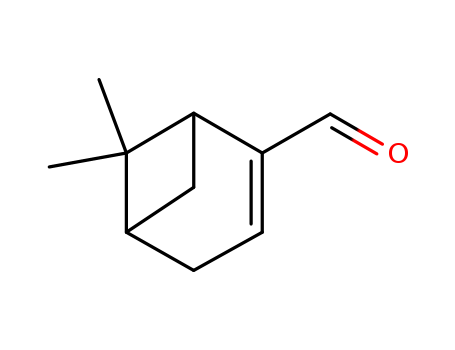
(-)-MYRTENAL
CAS:564-94-3
-
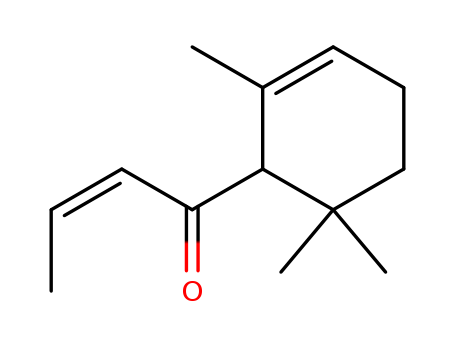
(Z)-1-(2,6,6-trimethyl-2-cyclohexen-1-yl)-2-buten-1-one
CAS:23726-94-5
-
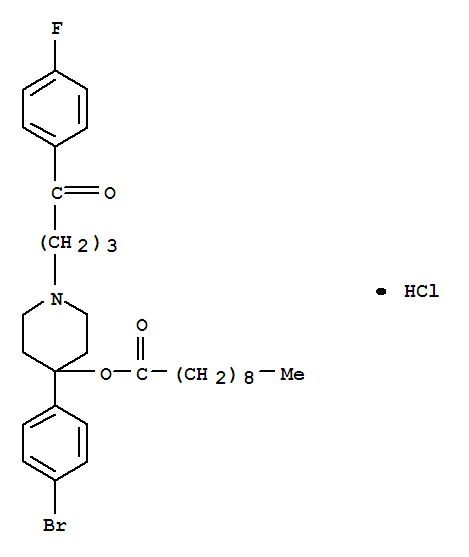
4-(4-bromophenyl)-1-[4-(4-fluorophenyl)-4-oxobutyl]-4-piperidyl decanoate hydrochloride
CAS:83863-75-6
-
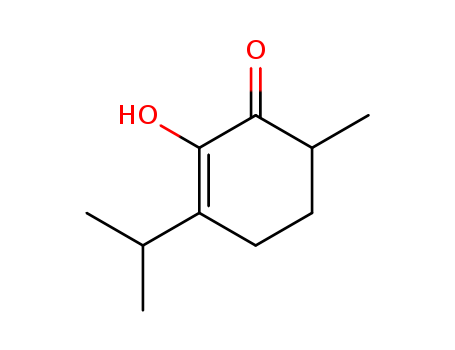
2-hydroxy-3-(isopropyl)-6-methylcyclohex-2-en-1-one
CAS:54783-36-7
-
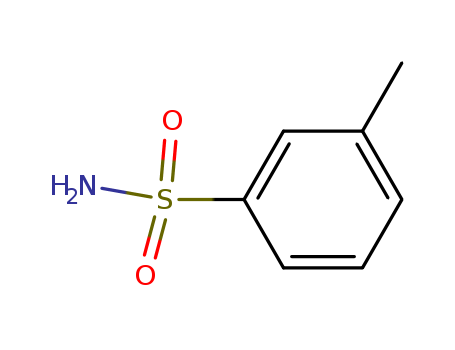
m-toluenesulphonamide
CAS:1899-94-1
-
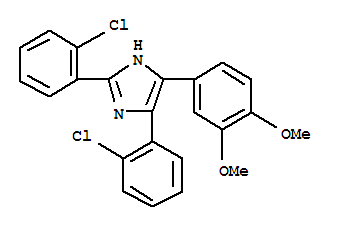
2,4-BIS-(2-CHLOROPHENYL)-5-(3,4-DIMETHOXYPHENYL)-IMIDAZOLE (CDI)
CAS:71360-31-1
-
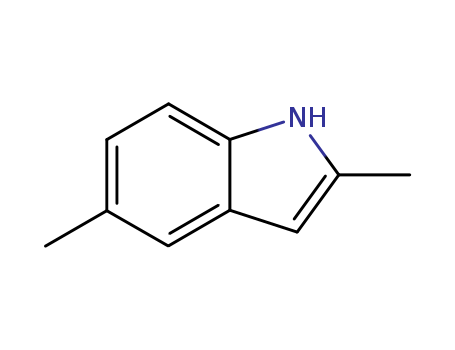
2,5-Dimethylindole
CAS:1196-79-8
NEWSLETTER
For inquiries About Our Products, Please Leave Your E-Mail To Us And We will Contact You Within 24 Hours.